World War I Study Guide: An Overview
This comprehensive study guide delves into the complexities of World War I‚ examining its origins‚ pivotal moments‚ and lasting global repercussions for students.
World War I‚ a global conflict centered in Europe‚ dramatically reshaped the 20th century‚ leaving an indelible mark on political landscapes and societal structures. Often called “The Great War‚” it pitted the Central Powers – Germany‚ Austria-Hungary‚ the Ottoman Empire‚ and Bulgaria – against the Allied Powers‚ including France‚ Great Britain‚ Russia‚ Italy‚ and the United States.
The war’s roots lie in a complex web of interconnected factors‚ including intense nationalism‚ imperial rivalries‚ militarism‚ and a rigid alliance system. The assassination of Archduke Franz Ferdinand of Austria-Hungary in 1914 served as the immediate catalyst‚ triggering a chain reaction of declarations of war. This study guide aims to provide a thorough understanding of these causes‚ the war’s progression‚ and its far-reaching consequences‚ offering a detailed exploration of this pivotal historical event.
Objectives of the Study Guide
This study guide is designed to equip learners with a robust understanding of World War I‚ fostering critical thinking and analytical skills. Key objectives include identifying and evaluating the multifaceted causes of the war‚ from the assassination of Archduke Franz Ferdinand to the prevailing climate of nationalism and imperial competition.
Furthermore‚ we aim to trace the war’s timeline‚ highlighting key battles and turning points‚ and to analyze the impact of trench warfare and new technologies. Students will explore the Treaty of Versailles and its consequences‚ including the rise of new nations and the challenges faced by post-war Germany. Ultimately‚ this guide seeks to illuminate the global impact of WWI and its lasting legacy on the modern world‚ promoting a nuanced historical perspective.
Causes of World War I
Several intertwined factors ignited the Great War‚ including political alliances‚ imperial ambitions‚ militaristic build-ups‚ and fervent nationalist sentiments across Europe.
The Assassination of Archduke Franz Ferdinand
The assassination of Archduke Franz Ferdinand of Austria-Hungary‚ heir to the Austro-Hungarian throne‚ on June 28‚ 1914‚ in Sarajevo‚ proved to be the immediate catalyst for the outbreak of World War I. Gavrilo Princip‚ a Bosnian Serb nationalist associated with the Black Hand‚ carried out the assassination. This act stemmed from deep-seated tensions in the Balkans‚ particularly Serbian aspirations for independence and unification with other Slavic peoples.
Austria-Hungary‚ with backing from Germany‚ viewed the assassination as an opportunity to crush Serbian nationalism. They issued a harsh ultimatum to Serbia containing demands designed to be unacceptable. When Serbia failed to fully comply‚ Austria-Hungary declared war on July 28‚ 1914. This declaration triggered a chain reaction due to the existing alliance system‚ rapidly escalating the conflict into a global war. The event‚ while not the sole cause‚ provided the spark that ignited the powder keg of European tensions.
The Alliance System
A complex web of alliances significantly contributed to the escalation of World War I‚ transforming a regional conflict into a global one. These alliances‚ initially intended to maintain peace through a balance of power‚ ultimately had the opposite effect‚ creating a system where a localized dispute could quickly draw in multiple nations. The two primary alliance blocs were the Triple Alliance and the Triple Entente.
The rigid nature of these agreements meant that once one nation declared war‚ its allies were obligated to follow suit‚ regardless of the specific circumstances. This created a domino effect‚ rapidly expanding the conflict. The alliance system fostered an environment of mutual suspicion and distrust‚ making diplomatic solutions increasingly difficult to achieve as nations felt compelled to defend their allies and uphold their treaty obligations‚ ultimately leading to widespread war.
Triple Alliance
Formed by the late 19th century‚ the Triple Alliance initially comprised Germany‚ Austria-Hungary‚ and Italy. This alliance was largely driven by a shared fear of France and a desire to isolate it in Europe. Germany‚ newly unified and rapidly industrializing‚ sought to assert its dominance on the continent‚ while Austria-Hungary aimed to maintain its control over its diverse empire and suppress nationalist movements. Italy‚ despite initial reservations‚ joined seeking territorial gains and security.
However‚ the alliance was not without its weaknesses. Italy remained neutral at the start of the war in 1914‚ eventually joining the Allied Powers in 1915. The Triple Alliance’s core commitment was mutual support in case of attack by France or Russia‚ but internal tensions and conflicting interests ultimately undermined its effectiveness‚ contributing to the outbreak of widespread conflict.
Triple Entente
Developing in the early 20th century‚ the Triple Entente was a series of agreements between France‚ Russia‚ and Great Britain. Unlike the more formal Triple Alliance‚ the Entente was a less rigid understanding‚ born out of diplomatic necessity and shared concerns regarding Germany’s growing power. Britain‚ initially pursuing a policy of “splendid isolation‚” gradually moved closer to France and Russia due to increasing anxieties about German naval expansion and colonial ambitions.
The Entente wasn’t a formal alliance requiring immediate military support‚ but rather a framework for cooperation and consultation. It aimed to maintain a balance of power in Europe and deter German aggression. While not initially directed against the Triple Alliance‚ the Entente ultimately became the cornerstone of the Allied Powers during World War I‚ playing a crucial role in the conflict’s outcome.
Imperialism and Colonial Rivalries
The late 19th and early 20th centuries witnessed intense competition among European powers for colonies and economic dominance across Africa and Asia. This scramble for empire fueled tensions and mistrust‚ contributing significantly to the volatile atmosphere preceding World War I. Germany‚ a latecomer to the imperial game‚ felt disadvantaged and sought to challenge the established colonial powers – Britain and France.
These colonial rivalries manifested in numerous diplomatic crises‚ such as the Moroccan Crises of 1905 and 1911‚ where Germany attempted to undermine French influence in Morocco. Competition for resources‚ markets‚ and strategic territories created a climate of suspicion and hostility‚ exacerbating existing nationalistic sentiments and ultimately contributing to the outbreak of war.
Militarism and the Arms Race
A pervasive belief in the necessity of military strength and preparedness gripped Europe in the decades leading up to 1914. This militarism fueled an unprecedented arms race‚ particularly between Great Britain and Germany in naval power. Germany’s ambition to build a navy rivaling Britain’s directly threatened British dominance of the seas‚ sparking a costly and escalating naval buildup;
Beyond naval competition‚ all major powers significantly increased their army sizes‚ developed new weaponry‚ and implemented conscription policies. This created a self-perpetuating cycle of fear and suspicion‚ where each nation felt compelled to arm itself in response to the perceived threats posed by others. The glorification of military values and the influence of military leaders within governments further contributed to a climate ripe for war.
Nationalism
Intense national pride and a desire for self-determination were powerful forces in early 20th-century Europe. This fervent nationalism manifested in several ways‚ including a belief in national superiority and a yearning for unified nation-states. In the Austro-Hungarian Empire‚ diverse ethnic groups – such as Serbs‚ Bosnians‚ and Croats – sought independence from Habsburg rule‚ fueling unrest and separatist movements.
Pan-Slavism‚ a movement to unite all Slavic peoples‚ particularly resonated in the Balkans‚ creating tensions with Austria-Hungary. Simultaneously‚ France harbored revanchist sentiments‚ desiring to reclaim Alsace-Lorraine‚ lost to Germany in the Franco-Prussian War. This potent mix of national aspirations and grievances contributed significantly to the volatile political landscape that ultimately led to war.
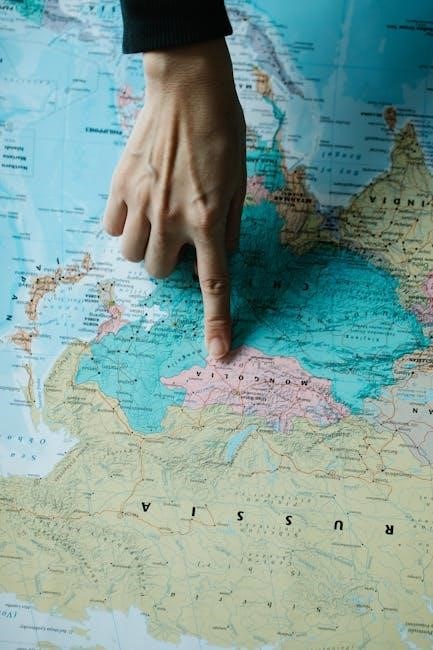
Timeline of World War I
A chronological progression of key events‚ from the initial outbreak in 1914 through the stalemate years and culminating in the 1918 armistice‚ will be explored.
1914: The Outbreak of War
The year 1914 marked the devastating commencement of the Great War‚ ignited by the assassination of Archduke Franz Ferdinand in Sarajevo on June 28th. This single act triggered a cascade of events‚ fueled by pre-existing tensions and intricate alliance systems. Austria-Hungary‚ backed by Germany‚ issued an ultimatum to Serbia‚ which‚ when partially rejected‚ led to a declaration of war on July 28th.
Russia mobilized in support of Serbia‚ prompting Germany to declare war on Russia on August 1st and subsequently on France on August 3rd‚ initiating the Schlieffen Plan – a strategy to quickly defeat France before turning to Russia. Germany’s invasion of neutral Belgium on August 4th brought Great Britain into the conflict‚ completing the initial alignment of the major powers.
The early months witnessed swift German advances in the West‚ halted at the First Battle of the Marne in September‚ preventing a quick victory and setting the stage for years of brutal trench warfare.
1915-1917: Stalemate and Key Battles
Following the initial offensives of 1914‚ the Western Front descended into a brutal stalemate characterized by extensive trench networks stretching hundreds of miles. 1915 saw major battles like the Second Battle of Ypres‚ where poison gas was first widely used‚ and Gallipoli‚ a disastrous Allied campaign to knock the Ottoman Empire out of the war.
1916 witnessed two of the war’s most horrific battles: Verdun and the Somme. Verdun‚ a prolonged German offensive aimed at “bleeding France white‚” resulted in immense casualties for both sides. The Somme‚ a British-led offensive‚ achieved minimal gains at an appalling cost‚ epitomizing the futility of trench warfare.
1917 proved pivotal with the entry of the United States into the war in April‚ shifting the balance of power. Russia’s internal struggles led to the February and October Revolutions‚ culminating in its withdrawal from the conflict via the Treaty of Brest-Litovsk in 1918.
1918: The Final Year and Armistice
1918 marked a turning point as Germany launched its Spring Offensive‚ aiming for a decisive victory before the full weight of American forces could be brought to bear. Initially successful‚ the offensive ultimately stalled due to logistical challenges and fierce Allied resistance‚ bolstered by fresh American troops.
The Allies launched a series of counteroffensives‚ known as the Hundred Days Offensive‚ relentlessly pushing back the German army. Facing internal unrest‚ economic hardship‚ and dwindling military resources‚ Germany’s allies began to collapse. Bulgaria surrendered in September‚ followed by the Ottoman Empire and Austria-Hungary in October.
With its position untenable‚ Germany sought an armistice. Negotiations culminated in the signing of the Armistice of Compiègne on November 11‚ 1918‚ bringing an end to the fighting. The armistice signaled the conclusion of four years of devastating warfare‚ but laid the groundwork for a complex and often contentious peace process.
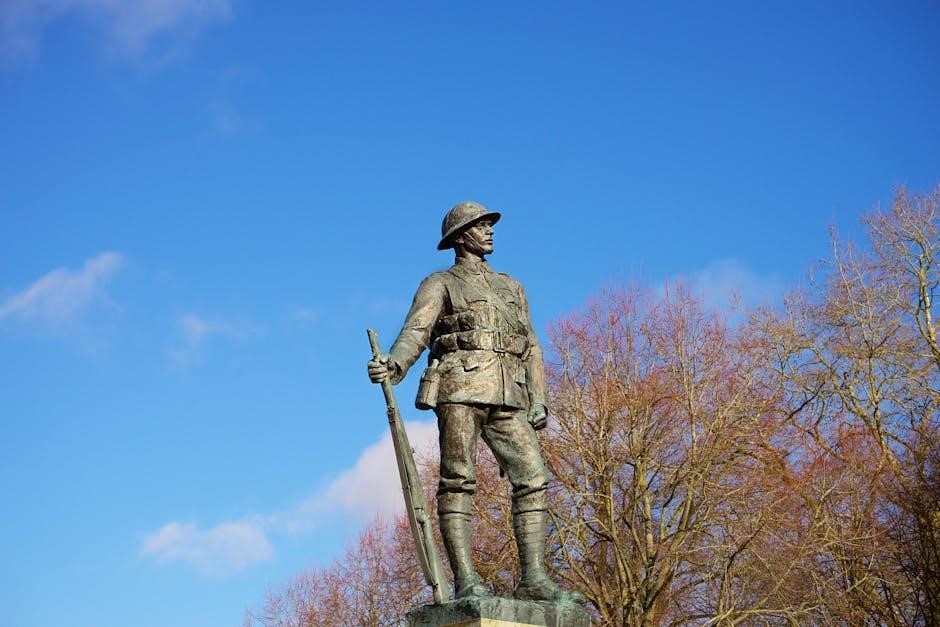
Key Battles of World War I
This section examines crucial engagements like the Marne‚ Verdun‚ and the Somme‚ analyzing their strategic importance‚ brutal conditions‚ and significant impact on the war’s trajectory.
The Battle of the Marne
The First Battle of the Marne‚ fought in September 1914‚ proved a pivotal moment in halting the German advance into France. Following the initial German sweep through Belgium and northeastern France‚ the French army‚ bolstered by British forces‚ launched a counteroffensive. This counterattack targeted the German flank‚ aiming to disrupt their Schlieffen Plan – a strategy for a swift victory over France before turning attention to Russia.
The battle was characterized by fierce fighting and a desperate race against time. Utilizing gaps in the German lines revealed by aerial reconnaissance‚ Allied forces engaged in brutal combat. The German advance was ultimately stopped just miles from Paris‚ preventing a quick German victory. This unexpected resistance forced both sides to dig in‚ initiating the long and devastating stalemate of trench warfare that would define much of the war. The Marne signified the failure of rapid offensives and the beginning of a protracted conflict.
The Battle of Verdun
The Battle of Verdun‚ lasting from February to December 1916‚ epitomized the horrific attrition warfare of World War I. German forces launched a massive offensive against the fortified city of Verdun in northeastern France‚ aiming to “bleed France white” by inflicting unsustainable casualties. The French‚ determined to defend this strategically and symbolically important location‚ responded with unwavering resilience.
The battle became a grinding struggle of artillery bombardments‚ infantry assaults‚ and relentless counterattacks. Conditions in the trenches were appalling‚ with constant shelling‚ mud‚ and the ever-present threat of death. Verdun witnessed some of the highest casualty rates of the entire war‚ with estimates exceeding 700‚000 combined losses. While the Germans gained some ground‚ they failed to achieve a decisive breakthrough‚ and the French ultimately held the line‚ though at a tremendous cost. Verdun became a symbol of French determination and suffering.
The Battle of the Somme
The Battle of the Somme‚ fought from July to November 1916‚ stands as one of the bloodiest battles in human history. Launched by the British and French armies against German forces in the Somme valley in France‚ the offensive aimed to relieve pressure on Verdun and achieve a decisive breakthrough on the Western Front. The battle is infamous for its staggering casualties and the futility of many of the attacks.
The first day of the Somme‚ July 1st‚ was particularly devastating for the British‚ with nearly 60‚000 casualties‚ including over 19‚000 killed. Subsequent attacks yielded minimal gains at an enormous cost. The battle saw the first large-scale use of tanks‚ though their impact was limited due to mechanical unreliability. By the time the offensive ended‚ over a million casualties had been sustained by both sides‚ with little strategic advantage gained. The Somme became a grim symbol of the war’s senseless slaughter.
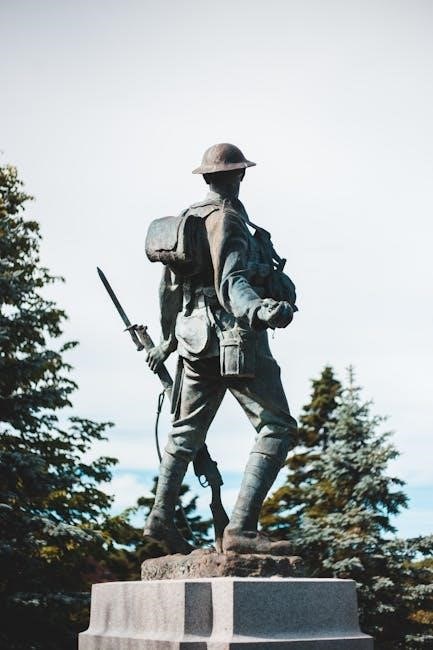
Consequences of World War I
The war’s aftermath reshaped Europe‚ leading to the Treaty of Versailles‚ the rise of new nations‚ and significant political and economic upheaval globally.
The Treaty of Versailles
Signed in 1919‚ the Treaty of Versailles formally concluded World War I‚ but its harsh terms sowed the seeds of future conflict. Primarily crafted by the Allied powers – Britain‚ France‚ and the United States – it placed sole blame for the war on Germany‚ demanding substantial reparations for damages caused during the conflict.
Germany was forced to cede territories‚ including Alsace-Lorraine to France‚ and significant colonial possessions. Its military was drastically reduced in size‚ limiting its army‚ navy‚ and air force. These punitive measures fostered resentment and economic hardship within Germany‚ contributing to political instability.
The treaty also established the League of Nations‚ an international organization intended to prevent future wars‚ though its effectiveness was limited by the absence of key powers like the United States. Ultimately‚ the Treaty of Versailles‚ while aiming for peace‚ created a volatile environment that contributed to the rise of extremist ideologies and‚ eventually‚ World War II.
The Rise of New Nations
The collapse of empires following World War I led to the emergence of numerous new nations across Europe and the Middle East‚ fundamentally reshaping the political map. The Austro-Hungarian Empire dissolved‚ giving rise to independent states like Austria‚ Hungary‚ Czechoslovakia‚ and Yugoslavia. Similarly‚ the Ottoman Empire fragmented‚ leading to the creation of modern-day Turkey and several Arab nations.
Poland regained its independence after over a century of partition‚ while Finland‚ Estonia‚ Latvia‚ and Lithuania declared their sovereignty from Russia. These newly formed nations faced significant challenges‚ including establishing stable governments‚ defining national identities‚ and navigating complex ethnic and territorial disputes.
The principle of self-determination‚ championed by U.S. President Woodrow Wilson‚ played a key role in this process‚ though its application was often uneven and incomplete‚ leaving some ethnic groups within new or existing states and creating future tensions.
The Weimar Republic and Post-War Germany
Germany’s defeat in World War I resulted in profound political and economic upheaval‚ culminating in the collapse of the German Empire and the establishment of the Weimar Republic in 1919. This new democratic government faced immense challenges from the outset‚ including hyperinflation‚ political extremism‚ and widespread social unrest.
The Treaty of Versailles imposed harsh terms on Germany‚ including substantial territorial losses‚ disarmament‚ and crippling reparations payments. These conditions fueled resentment and instability‚ creating fertile ground for nationalist and revanchist movements. The Weimar Republic struggled to maintain order amidst frequent political assassinations and attempted coups;
Economic hardship further exacerbated the situation‚ leading to a loss of faith in democratic institutions and ultimately paving the way for the rise of extremist ideologies‚ including Nazism‚ in the 1930s.
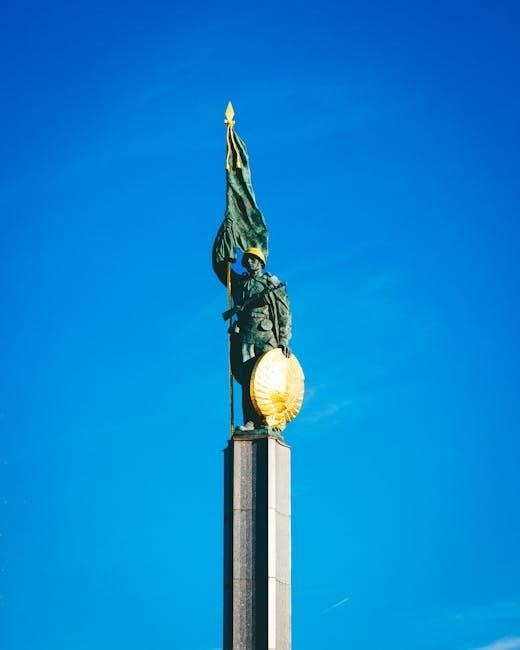
Global Impact of World War I
World War I’s repercussions extended far beyond Europe‚ fundamentally reshaping the global political landscape and setting the stage for future conflicts. The war’s devastation led to the collapse of empires – Ottoman‚ Austro-Hungarian‚ Russian‚ and German – and the emergence of new nations‚ redrawing the map of Europe and the Middle East.
The conflict also spurred nationalist movements in colonized territories‚ as people sought self-determination following the war’s conclusion. The United States emerged as a leading global power‚ though initially hesitant to fully engage in international affairs. Furthermore‚ the war’s economic costs were immense‚ disrupting trade and contributing to global economic instability.
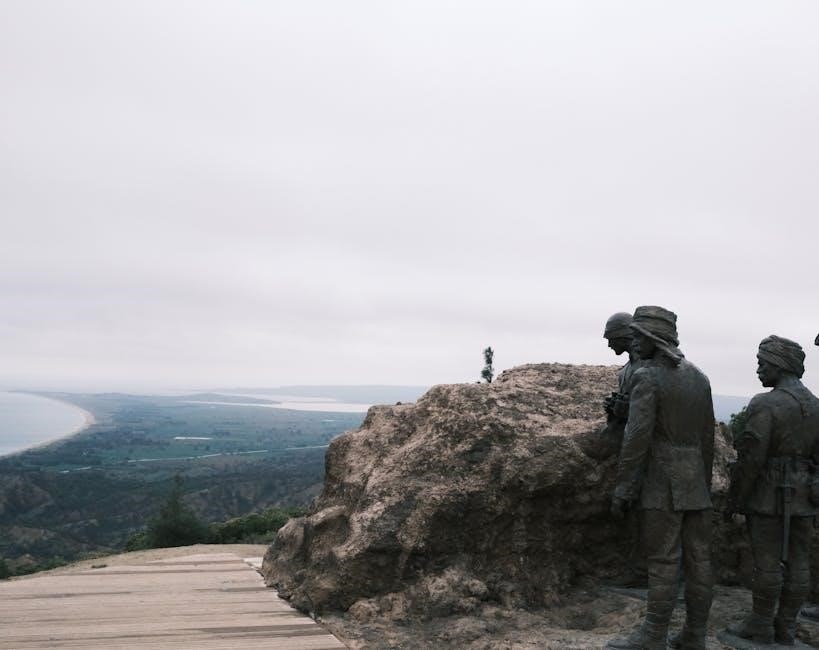
The seeds of World War II were sown in the unresolved issues and resentments stemming from the Treaty of Versailles and the war’s aftermath‚ demonstrating the far-reaching and enduring consequences of this global conflict.
Related Posts

peterson field guide eastern birds
The Peterson Field Guide to Eastern Birds is a cornerstone…
dewey guida obituary
Dewey Guida Obituary⁚ A Life Remembered This obituary commemorates the…

kitesurfing board size guide
Kitesurfing board size guide is crucial for riders to determine…