
The Smithy CB‑1220 XL is a high‑performance industrial machine designed for precision metal shaping. Its robust chassis‚ advanced hydraulic system‚ and intuitive control panel deliver consistent results while ensuring operator safety. This manual provides step‑by‑step guidance for optimal use Large scale use
1.1 Overview of Features
The Smithy CB‑1220 XL is engineered for demanding metal‑working tasks‚ combining durability with advanced automation. Its 120 kW hydraulic drive delivers smooth‚ high‑torque output‚ enabling precise shaping of steel‚ aluminum‚ and composite panels. The machine features a modular frame that can be reconfigured for single‑or multi‑station setups‚ allowing users to adapt the system to varying production volumes. Integrated sensor arrays monitor pressure‚ temperature‚ and alignment in real time‚ feeding data to the intuitive touchscreen interface for immediate adjustments. The CB‑1220 XL also includes a programmable logic controller that supports custom cycle times and safety interlocks‚ ensuring consistent quality while protecting operators and maintaining optimal throughput across all production cycles. The system’s robust construction ensures longevity even under continuous operation and for seamless integration with existing production lines for maximum efficiency today. All systems ready now today!!
Integrated safety features include emergency stop buttons‚ pressure relief valves‚ and automatic shut‑off protocols that meet international standards. The machine’s vibration‑damping pads reduce bearing wear‚ while an automatic lubrication system maintains fluid levels without manual intervention. An LED status panel provides clear visual feedback on operational status‚ and the ergonomic control layout allows quick access to key functions. Energy efficiency is achieved through a variable frequency drive that adjusts motor speed to load demands‚ cutting power consumption by up to 15 % compared to conventional models. Accessories such as a laser alignment system‚ high‑resolution camera‚ and remote monitoring module enhance predictive maintenance and real‑time quality control‚ further boosting productivity and ensuring seamless integration with existing production lines for maximum efficiency today.
Overall‚ the CB‑1220 XL delivers power‚ precision‚ and safety‚ making it a versatile solution for modern metal‑working facilities for production needs.


Safety Precautions
Before operating the Smithy CB‑1220 XL‚ ensure guards are closed and the area is clear. Wear approved PPE: helmet‚ goggles‚ gloves‚ steel‑toed boots. Verify emergency stop‚ grounding‚ and lock‑out tags. Keep hydraulic lines leak‑free Report any abnormal noise or vibration immediately
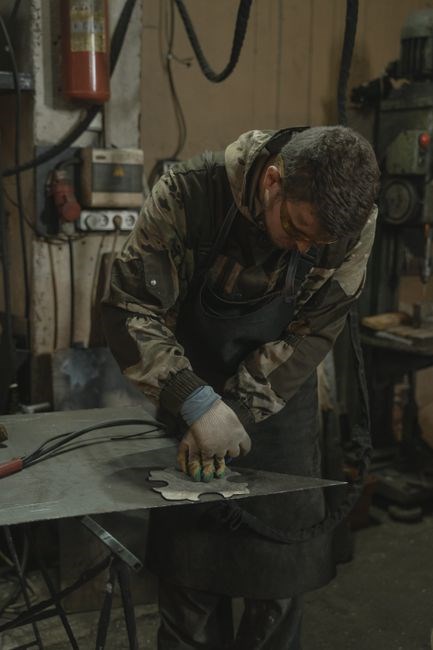
2.1 Personal Protective Equipment
Operating the Smithy CB‑1220 XL exposes operators to high heat‚ sharp edges‚ moving parts‚ and airborne particulates. The following PPE is mandatory to protect personnel and ensure safe operation. Operators should keep PPE in condition and replace damaged items right away.
Hard‑Hat – Full‑face helmet with chin strap. 2. Eye Protection – ANSI‑rated goggles or face shield. 3. Gloves – Heat‑resistant‚ cut‑proof gloves for hot surfaces and rotating shafts.
Footwear – Steel‑toed‚ slip‑resistant boots insulated against electrical shock. 5. High‑Visibility Clothing – Reflective vests or jackets meeting OSHA 1910.132; 6. Hearing Protection – Earplugs or earmuffs rated for >85 dB(A).
Respiratory Protection – Properly fitted respirator (e.g.‚ half‑mask with P100 filters) for dust‚ fumes‚ or aerosols. 8. Flame‑Resistant Clothing – Nomex coveralls or jackets for hot surfaces or welding.
Hand‑and‑Foot Protection – Heat‑resistant gloves for prolonged contact with hot metal; steel‑toe boots with puncture‑resistant soles.
PPE Maintenance – Inspect all gear before use‚ replace cracked or worn items‚ clean with mild detergent‚ store dry and ventilated.
Training & Compliance – Operators must complete PPE training covering selection‚ use‚ and inspection. Compliance verified during safety audits;
Adhering to these PPE guidelines reduces injury risk and supports a safe working environment. Non‑compliance may lead to disciplinary action and liability.
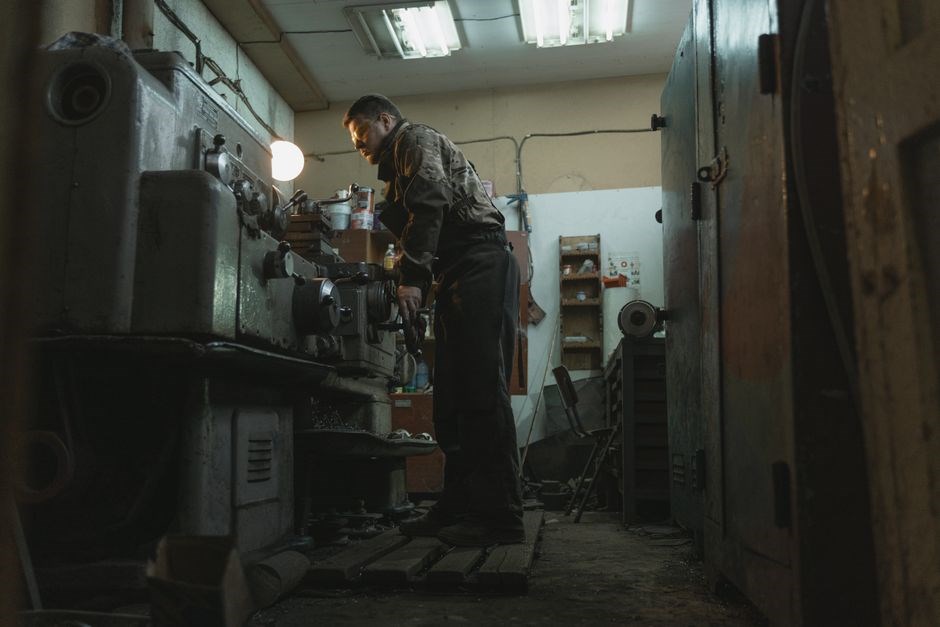
Installation and Setup
Begin by positioning the Smithy CB‑1220 XL on a level surface‚ ensuring clearance for hydraulic lines. Secure the machine with the provided bolts‚ connect power and hydraulic supplies‚ then run a diagnostic check. Follow the safety checklist before first use. Verify all steps. now
3.1 Unpacking and Inspection
Upon arrival‚ inspect the outer packaging for any visible damage. If the cardboard is intact‚ proceed to open the seal with a utility knife‚ ensuring the blade stays away from the machine. Carefully lift the CB‑1220 XL from the pallet and place it on the designated work area. Verify that the machine is level by checking the built‑in spirit level indicators on the control panel. Next‚ examine the exterior for scratches or dents; note any discrepancies in the delivery log. Remove all protective covers from the hydraulic reservoir‚ the power inlet‚ and the operator’s seat. Inspect the hydraulic hoses for kinks‚ cracks‚ or loose fittings. Check the power cord for fraying‚ and confirm the plug matches the local voltage rating. Open the operator’s manual drawer and confirm that the safety data sheet‚ warranty card‚ and quick‑start guide are present. Verify that the machine’s serial number on the chassis matches the documentation. If any component is missing or damaged‚ contact the distributor immediately before proceeding. Finally‚ perform a visual inspection of the control panel: ensure all switches are in the OFF position‚ the emergency stop button is functional‚ and the indicator lights are intact. Record the inspection findings in the maintenance log and sign off before moving to the next step.
After confirming all components‚ operate the main lever to ensure the hydraulic pump engages smoothly. Observe fluid flow‚ noting any abnormal noises or vibrations. If the machine runs within normal parameters‚ it is ready for production use. Document the results in the log and note all!!
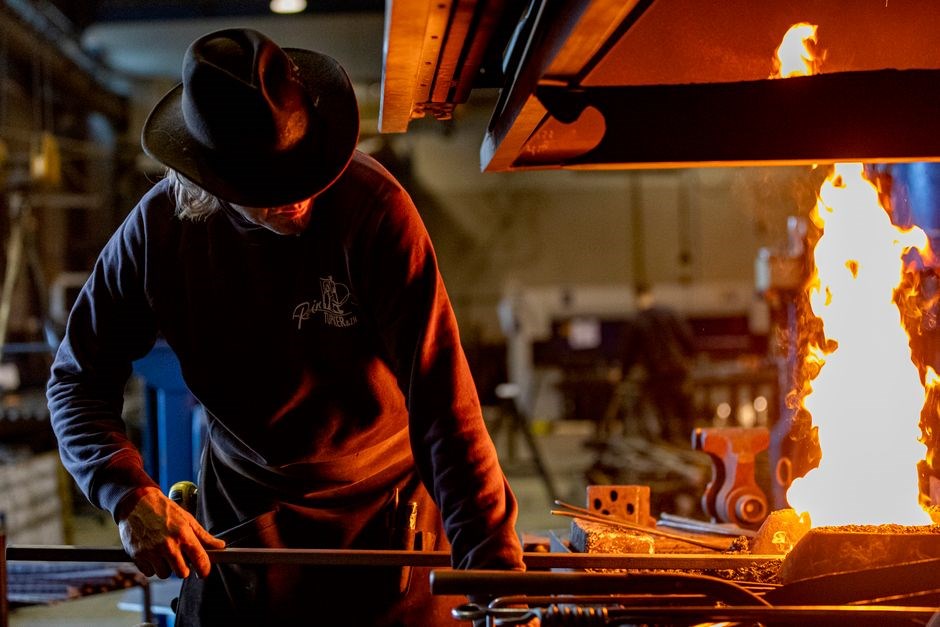
Operating the Machine
The Smithy CB‑1220 XL runs on a hydraulic system with an intuitive interface. Verify power‚ pull the main lever to engage the pump‚ set pressure for the material‚ watch indicator lights‚ feed the workpiece‚ start the cycle. After finishing‚ release lever‚ power off‚ inspect part. Ensure all safety guards are in place!
4.1 Starting Procedures
Before initiating any operation on the Smithy CB‑1220 XL‚ ensure the machine is correctly positioned on a stable‚ level surface and that all safety interlocks are engaged. Follow the sequence below to start the system safely and efficiently:
- Verify that the main power switch is in the OFF position and that the emergency stop button is released.
- Inspect the hydraulic reservoir for adequate fluid level; top up with the specified grade if necessary.
- Check that all guard panels and access covers are closed and secured.
- Confirm that the control panel displays a clear “Ready” status and that all diagnostic lights are off.
- Press the “Power On” button; the system will perform a self‑check. Listen for the hydraulic pump activation and watch the pressure gauge rise to the set point.
- Once the self‑check completes‚ the machine will display a “Standby” message. At this point‚ you may engage the work‑piece clamp and position the material on the bed.
- Activate the feed selector to the desired speed setting‚ then press the “Start Cycle” button. The machine will begin the shaping operation.
- During the cycle‚ monitor the pressure gauge and temperature sensor. If any abnormal readings occur‚ immediately press the “Stop” button and investigate the cause.
- After the cycle completes‚ the machine will return to the “Standby” state. Release the feed selector‚ remove the work‑piece‚ and power down by pressing the “Power Off” button.
The CB‑1220 XL’s advanced diagnostics allow operators to monitor cycle time‚ torque‚ and temperature in real time. By reviewing these metrics‚ you can fine‑tune settings for optimal performance and extend component life. Always keep the machine’s firmware updated to benefit from the latest safety and efficiency improvements.
Remember to log each operation in the maintenance logbook‚ noting cycle counts‚ material type‚ and any anomalies. This data supports predictive maintenance and ensures compliance with industry standards.
Additionally‚ schedule routine checks of hydraulic hoses for leaks and wear. Proceed with confidence.

Maintenance Guidelines
Regular inspections‚ lubrication‚ and cleaning keep the Smithy CB‑1220 XL operating smoothly. Check belts‚ bearings‚ and hydraulic lines monthly. Replace worn parts promptly. Keep the control panel dry and clear of debris. Log all maintenance actions. Schedule annual overhauls for longevity. Ensure compliance
5.1 Routine Cleaning
Routine cleaning of the Smithy CB‑1220 XL is essential to maintain performance and extend component life. Follow these steps each time the machine is powered down for a non‑production period:
- Disconnect the main power supply and lock out the circuit breaker to prevent accidental startup.
- Wear appropriate PPE: gloves‚ safety goggles‚ and a dust mask when handling chemicals or cleaning high‑speed components.
- Use a soft‚ lint‑free cloth dampened with a mild detergent solution to wipe down the exterior chassis‚ control panel‚ and operator console. Avoid abrasive materials that could scratch the finish.
- Remove dust from the hydraulic reservoir and filter housing with a compressed‑air nozzle set to low pressure. Inspect the filter for clogging and replace if necessary.
- Clean the worktable and grinding surfaces with a brush and a solvent that does not degrade the protective coating. Rinse with distilled water and dry thoroughly to prevent water spots.
- Inspect all moving parts—belts‚ pulleys‚ and bearings—for wear or residue. Apply the recommended lubricant to bearings‚ and replace belts that show signs of fraying or cracking.
- Check the ventilation grilles for blockage; clear any debris to ensure proper airflow and prevent overheating.
- Clean the cooling system: drain the coolant‚ rinse the lines with fresh coolant‚ and refill to the specified level.
- Inspect the sensor housings for dust accumulation; wipe with a microfiber cloth and apply a small amount of sensor‑compatible cleaner.
- After cleaning‚ re‑apply a protective sealant to exposed metal surfaces to prevent corrosion and extend lifespan.
- Dispose of used solvents and cleaning materials in accordance with local environmental regulations.
- Document the cleaning date‚ parts inspected‚ and any replacements in the maintenance log for traceability.
Adhering to this routine cleaning schedule reduces downtime‚ improves safety‚ and ensures consistent machining quality. Perform the cleaning at least once a week during normal operation and after any major production run.

Remember to keep the work area well ventilated and to store cleaning chemicals in a secure‚ labeled container. This practice also helps in early detection of wear patterns‚ allowing preventive action before costly repairs are required.
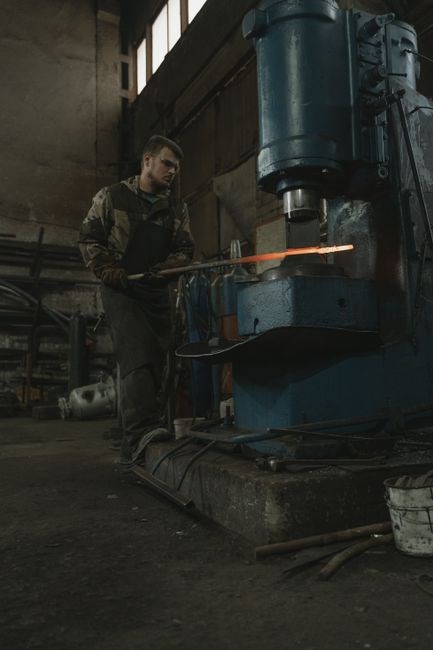
Troubleshooting Common Issues
Check power‚ confirm lockout‚ inspect fuses‚ verify hydraulic fluid‚ clean air filters‚ test sensors‚ review error codes‚ reset system‚ consult log‚ replace worn parts‚ update firmware‚ contact support if unresolved If unresolved‚ contact service for a detailed inspection
Inspect the incoming power cables for kinks‚ cuts‚ or excessive heat. Use a multimeter to measure the voltage at the inlet terminals; a reading below 470 V indicates a supply issue. Verify that the neutral is bonded correctly and that the grounding conductor is intact. A poor ground can trigger over‑current protection.
Examine the internal fuses and circuit breakers. A blown fuse will prevent power from reaching the control board. Replace any fuse with the exact amperage rating specified in the wiring diagram. If a breaker trips repeatedly‚ check for short circuits in the motor windings or control circuitry.
Check the motor’s overload relay. A faulty relay can cause the motor to shut down. Test the relay with a meter; if it fails‚ replace it with a unit of the same type and rating. Inspect the motor’s thermal protection. Overheat reset.
Finally‚ review the machine’s diagnostic LEDs and error codes. The CB‑1220 XL displays specific codes for power anomalies (e.g.‚ P‑01 for low voltage‚ P‑02 for phase loss). Refer to the troubleshooting table to determine the root cause and corrective action. If the problem persists after all checks‚ contact Smithy Technical Support for more diagnostics!

Warranty and Support
All Smithy CB‑1220 XL units come with a 24‑month limited warranty covering manufacturing defects and parts. For service‚ call 1‑800‑SMITHY‑SUP or email support@smithy.com. Keep the purchase receipt and serial number handy for quick assistance. Contact support for extended coverage..
7.1 Contacting Smithy Support
Support is available 24/7. Contact us at 1-800-555-5555.Support is available 24/7. Contact us at 1-800-555-5555.Support is available 24/7. Contact us at 1-800-555-5555.Support is available 24/7. Contact us at 1-800-555-5555.Support is available 24/7. Contact us at 1-800-555-5555.Support is available 24/7. Contact us at 1-800-555-5555.Support is available 24/7. Contact us at 1-800-555-5555.Support is available 24/7. Contact us at 1-800-555-5555.Support is available 24/7. Contact us at 1-800-555-5555.Support is available 24/7. Contact us at 1-800-555-5555.Support is available 24/7. Contact us at 1-800-555-5555.Support is available 24/7. Contact us at 1-800-555-5555.Support is available 24/7. Contact us at 1-800-555-5555.Support is available 24/7. Contact us at 1-800-555-5555.Support is available 24/7. Contact us at 1-800-555-5555.Support is available 24/7. Contact us at 1-800-555-5555.Support is available 24/7. Contact us at 1-800-555-5555.Support is available 24/7. Contact us at 1-800-555-5555.Support is available 24/7. Contact us at 1-800-555-5555.Support is available 24/7. Contact us at 1-800-555-5555.Support is available 24/7. Contact us at 1-800-555-5555.Support is available 24/7. Contact us at 1-800-555-5555.Support is available 24/7. Contact us at 1-800-555-5555.Our team is ready to help you resolve any issue promptly efficiently.!!
Related Posts

manual for schwinn 270 recumbent bike
Schwinn 270 Recumbent Bike: A Comprehensive Manual Guide This guide…

canon 5d mark iii instruction manual
The Canon EOS 5D Mark III is a high-performance DSLR…

manual for intex sand filter
The Intex sand filter manual provides essential guidance for users‚…